
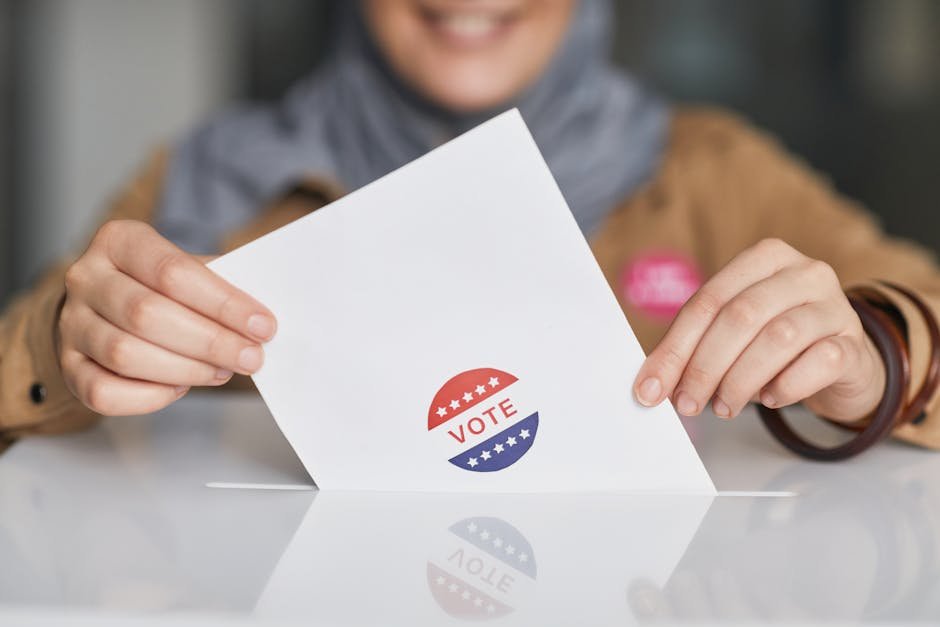
If you have spent more than five minutes scrolling through X, TikTok, or Facebook this week, you have probably already seen it. Maybe it was a video of a local congressional candidate appearing to stumble over their words and say something deeply offensive. Maybe it was a grainy audio clip of a governor making a backroom deal. The comments section is enraged, the clip has 14 million views, and it is entirely, 100% fake. Welcome to the 2026 Midterms. We have officially entered the era of the “Deepfake Election,” and the average American voter is completely unprepared for the psychological warfare that is about to unfold over the next six months.
We used to worry about politicians bending the truth. Now, we have to worry about them completely manufacturing reality. Here is why this election cycle is going to break the internet. And how you can actually protect your sanity before November.
2026 Midterms in the US
1. The Dawn of “Zero-Truth” Politics
In 2024, AI was a novelty. It was used for slightly weird-looking images of politicians wearing puffy coats. By May 2026, the technology has crossed the uncanny valley.
- The Threat: We are no longer dealing with obvious, six-fingered AI mistakes. Bad actors and hyper-funded Super PACs are deploying state-of-the-art generative video and audio clones. They aren’t just manipulating images; they are cloning a candidate’s voice, mapping their facial micro-expressions, and generating hyper-realistic scandals out of thin air.
- The “Liar’s Dividend”: This is the darkest psychological side effect of the AI boom. When everything could be a deepfake, politicians can now claim that actual, legitimate videos of their own mistakes are just “AI hit jobs.” Truth itself becomes entirely subjective. When voters cannot trust their own eyes and ears, they default to pure tribalism.
2. The Regulatory Ghost Town
You might assume that the Federal Election Commission (FEC) or the government would step in to regulate this. You would be wrong.
- The Reality: While the European Union’s sweeping AI Act transparency rules are set to take effect later this August, the United States is essentially operating as the Wild West. Congress is moving at the speed of dial-up internet while the technology is moving at lightspeed. There is no cohesive, enforceable federal ban on using undisclosed AI generation in political attack ads.
- The Burden: Because the government is paralyzed, the burden of verification has been entirely offloaded onto you. You are expected to be a digital forensic analyst every time you open a social media app.
3. How to Actually Filter the Noise This Fall
If you want to survive the next six months without completely losing your grip on reality, you need to drastically change how you consume political information.
- Assume it is Fake First: Your default setting for any viral, scandalous, or hyper-emotional political video must now be absolute skepticism. If an audio clip drops out of nowhere and sounds too perfectly damning, it is almost certainly synthetic.
- Wait for the 48-Hour Verification Window: The algorithms prioritize outrage, which means fake news travels faster than the correction. Do not share, retweet, or comment on a political scandal the day it breaks. Give independent tech journalists and verification tools 48 hours to scrub the metadata.
- Read the Analog Paper Trail: Deepfakes only work in the digital sphere. If you want to know what a candidate actually stands for, look at their physical voting record, their filed tax policies, and their verified financial disclosures. You cannot deepfake a legislative roll call.
The Verdict
The 2026 midterms are not going to be fought on debate stages; they are going to be fought in server farms.
Do not let the algorithms hijack your nervous system. Disconnect from the hyper-speed social media feeds, rely on verified, long-form journalism, and prepare yourself for the most chaotic, manufactured election cycle in American history.