
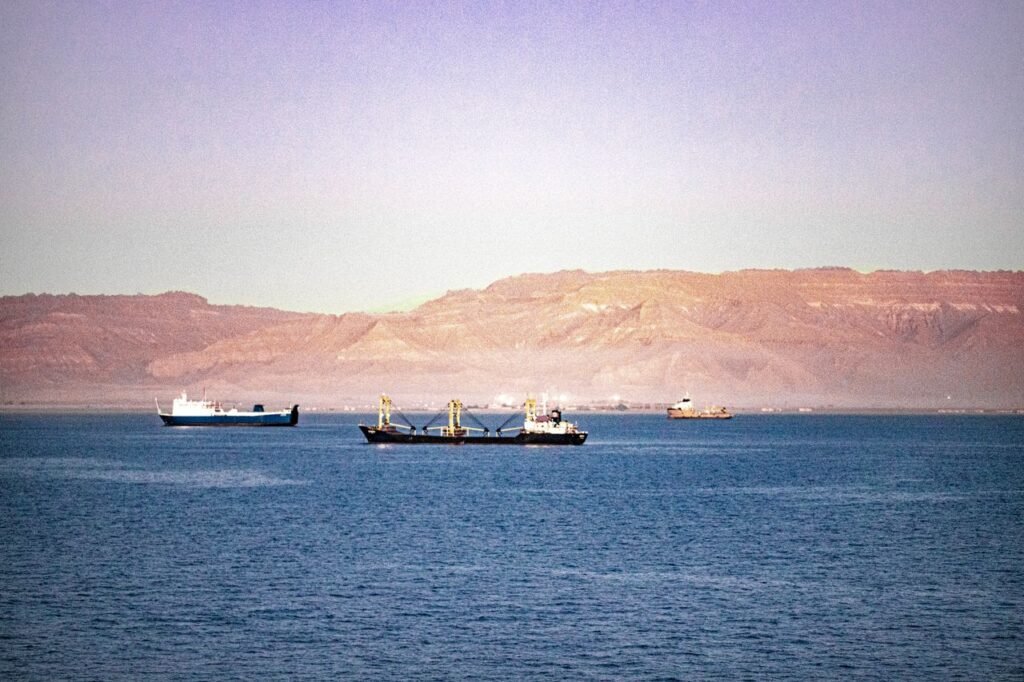
It seems the brief glimmer of hope we saw last month was just a mirage. The “peace premium” that briefly lifted the stock market has evaporated, and we are back to facing the harsh reality of a protracted conflict in the Middle East. This week, negotiations to reopen the Strait of Hormuz hit a massive roadblock. After Iran demanded war reparations as a precondition for reopening the vital waterway, President Donald Trump fired back on Truth Social, demanding his own compensation for decades of Iranian-backed attacks and the deaths of US service members, as well as reparations for Iranian protestors killed by their own government. This diplomatic tit-for-tat has effectively stalled the peace process, and the economic fallout is hitting the American consumer right in the wallet. Here is the brutal truth about why the ongoing standoff over the Strait of Hormuz is causing unprecedented economic whiplash.
Standoff Over Strait of Hormuz
1. The Oil Shock and the Return of Stagflation
The International Energy Agency has already characterized the current situation as the “largest supply disruption in the history of the global oil market.”
- The Reality Check: The Strait of Hormuz is a critical artery for global energy, handling about 20% of the world’s oil trade. With that supply choked off, crude prices have surged over 10% in just the past week, with Brent crude pushing towards $88 a barrel. This isn’t just an abstract number on Wall Street; it means higher gas prices at the pump, increased transportation costs for goods, and a rapid acceleration of inflation just when we thought it might be cooling down. We are staring down the barrel of stagflation—stagnant economic growth combined with high inflation—a scenario the US hasn’t truly grappled with since the 1970s.
2. The Supply Chain Nightmare Continues
You cannot turn global logistics on and off like a light switch.
- The Financial Drain: The start-and-stop nature of these negotiations is wreaking havoc on international shipping. Conglomerates are facing astronomical insurance premiums to navigate a contested zone, and those costs are inevitably passed down to the consumer. Every single product you buy that relies on international shipping is now baking in a permanent “geopolitical risk” premium.
3. The Political Capital Deficit
The domestic political situation is incredibly volatile. We are in the final stretch before the midterm elections, and the current administration cannot afford to look weak or concede to Iranian demands. Demanding compensation for past grievances might play well to the base, but it makes a swift diplomatic resolution highly unlikely. Both sides are currently negotiating to stall, not to solve, which means the economic pain will continue.
The Verdict
The optimism of early summer is gone. The standoff over the Strait of Hormuz is entrenched, and the global energy market is held hostage.
Brace your portfolios and tighten your household budgets. The political theater might be dominating the headlines, but the economic reality of this stalled peace process is what will truly define the rest of 2026.